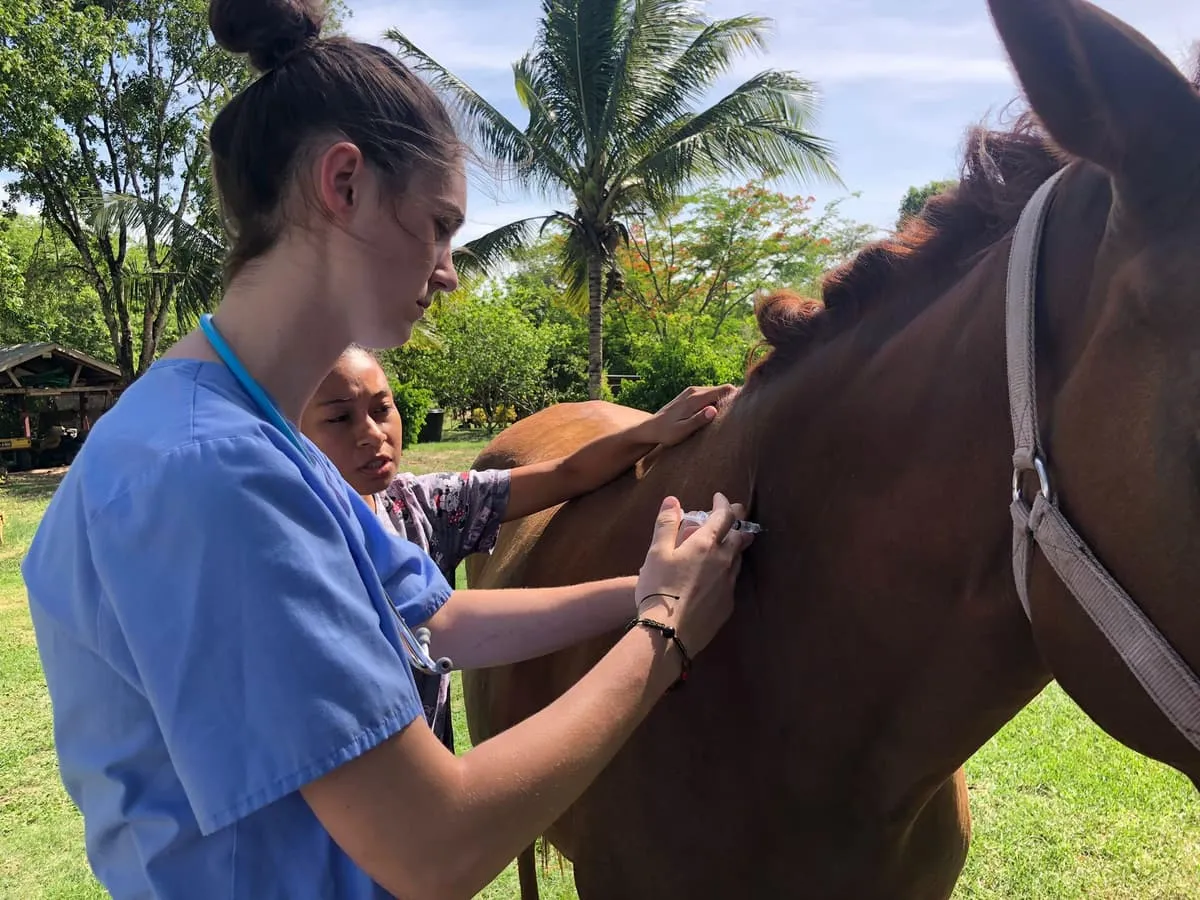
Four weeks on how human, animal, and environmental health connect. You'll spend the first two weeks in large animal veterinary practice on working farms, then two weeks in field-based global health. If you want to see how these systems affect each other, this is where it happens.
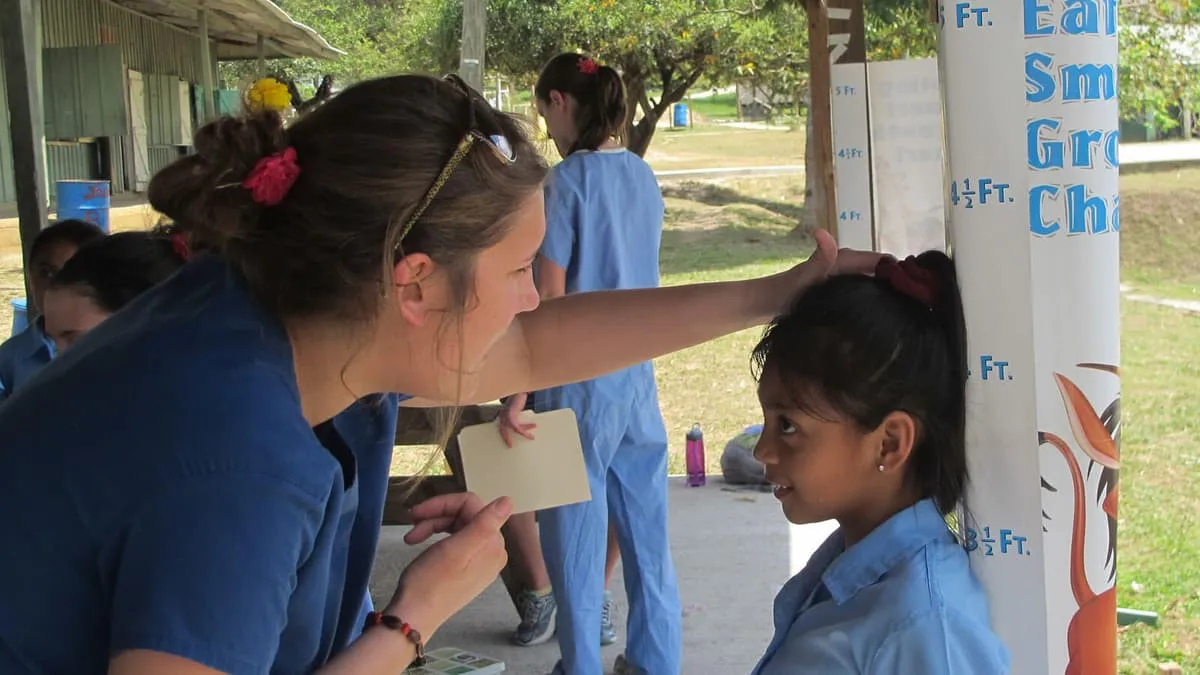
In the first half, you learn farm animal medicine and livestock systems, and how they shape human, animal, and environmental health. In the second half, you study Belize's healthcare system, public health policy, and tropical diseases, and how communities respond to them with limited resources. You're taught by CELA faculty together with Belizean professionals. The program is open to students in every discipline, especially public health, global health, veterinary medicine, human medicine, and conservation biology.
You stay in a guest house with other CELA students, with breakfast and transportation to program sites included. Between sessions there are organized excursions and free time to explore the town market, head to the beach, or relax. You may be able to use federal financial aid toward your tuition.
What is One Health?
One Health brings veterinarians, physicians, nurses, scientists, ecologists, and policymakers together to respond to shared threats to human, animal, and environmental health. Teams work to:
- Prevent outbreaks of zoonotic disease in animals and people
- Improve food safety and security
- Reduce antimicrobial-resistant infections and improve human and animal health
- Protect global health security
- Protect biodiversity and conservation